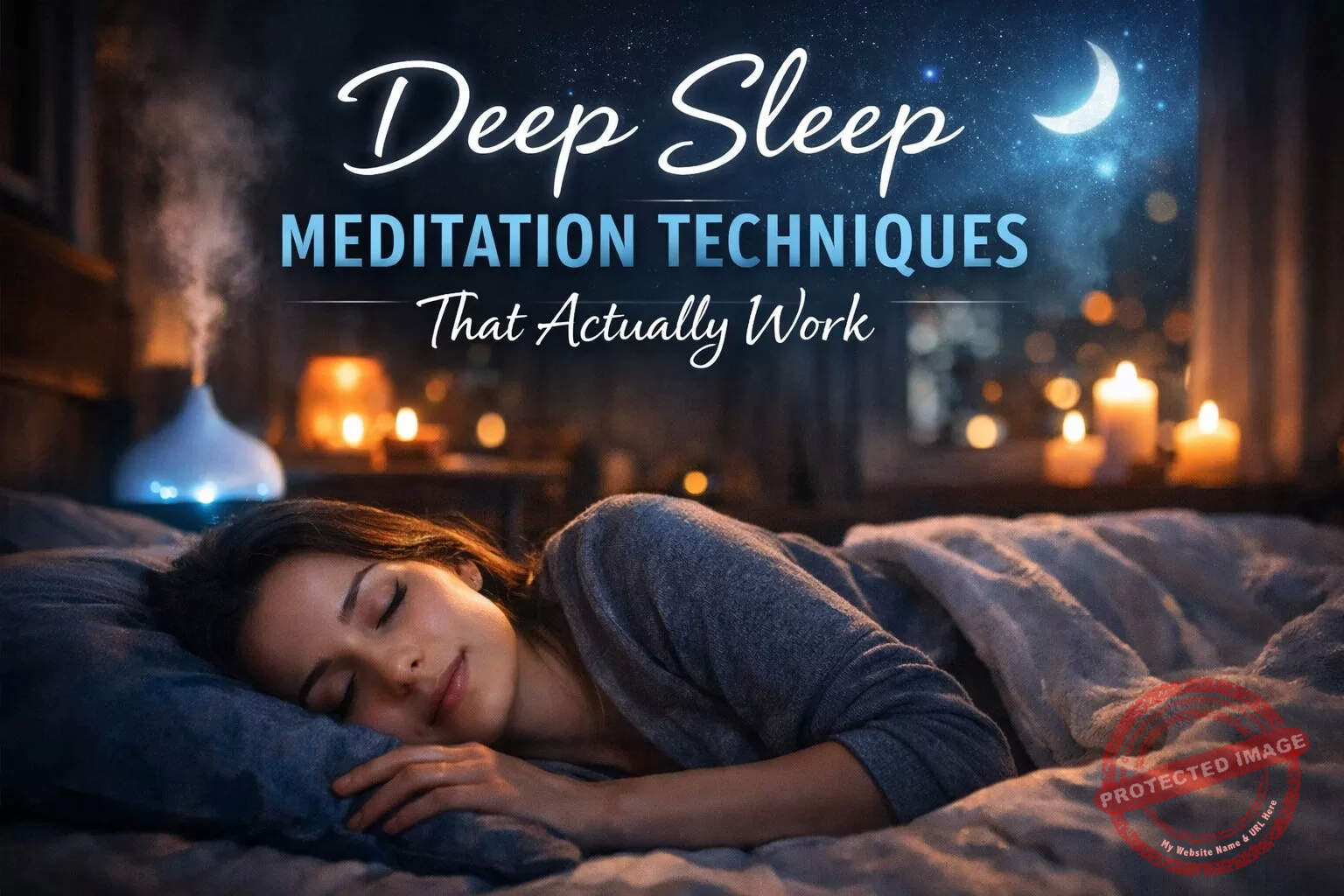
Proven Deep Sleep Meditation Techniques That Really Work

As a result, insomnia, sleep disorders, or sleepless nights are common.
Today’s hectic lifestyle, filled with stress and anxiety, fuels them; deep sleep meditation techniques can help.
Getting quality sleep is essential for good health. It supports mental clarity and emotional balance, including deep sleep meditation techniques. However, many struggle with falling asleep due to overthinking, lifestyle habits, and stress.
Deep Sleep Meditation in NSW, Australia, can naturally train your mind and body to relax, helping you achieve restful sleep without meditation.
What is Deep Sleep Meditation?
Deep sleep meditation is a proven method helping you fall asleep faster and wake up refreshed.
Meditation for deep sleep is a guided relaxation technique designed to calm the mind and body.
Directed by the professional and trained healing practitioner, this powerful technique helps one transit to a state of deep or restorative sleep.
It involves many techniques, including –
- In addition, slow breathing aids focus in practice.
- Additionally, focus on body awareness.
- Furthermore, cultivating mindful habits helps you stay centered.
The above guided meditation techniques for deep sleep activate the body’s natural relaxation, improve sleep quality, help combat insomnia and promote overall mental and physical well-being, making it an effective tool for achieving peaceful and uninterrupted sleep.
Why Deep Sleep Meditation Techniques Work?
Deep sleep focuses on calming the nervous system and shifting the brain from an active state to a relaxed state.
This transition is important for sleep. When practiced in a regulatory way, meditation can-
- Reduce cortisol, a stress hormone
- Slow heart rate and breathing
- Improve melatonin production
- Quiet racing thoughts
The deep sleep meditation techniques address mental unrest, the root cause of poor sleep.
Deep Sleep Meditation Techniques for Sleep
- Additionally, Body Scan Meditation relaxes your entire system. For example, it is one of the most effective methods for deep sleep. Then, the practitioner asks their client to lie down comfortably on their back, close their eyes, and take slow breaths. They ask them to focus on their toes and then gradually move upward. As a result, the client notices tension in each body part and releases it consciously. This method shifts the attention away from thoughts and into physical sensations, promoting full-body relaxation. It is an ideal method for people who feel physically tense at night.
- 4-7-8 breathing technique: This is the most effective meditation, fostering instant calm, enabling the client to fall asleep fast. It is directly linked to the nervous system. The trainer asks the client to inhale through the nose for 4 seconds. They tell them to hold their breath for 7 seconds and exhale slowly through their mouth for 8 seconds. They tell them to repeat this process four to six times. The advantages of this technique are that it slows heart rate, reduces anxiety and signals the brain that it is time to sleep. Many people report falling asleep within minutes with the help of this method.
- Guided Sleep Meditation: This is the best meditation technique for sleep. If your mind tends to wander, guided meditation is a go-to technique. For example, it involves listening to relaxation instructions, visualizing calm places like a beach, and gentle breathing. It works best as it gives the mind something soothing to focus on, preventing overthinking.
- Visualization Meditation: Your imagination is a robust tool for sleep. The practitioner asks you to close your eyes and imagine a peaceful place. They tell you to engage all senses, what you see, hear, smell and feel. They will tell you to stay in that scene for several minutes. This method distracts from stress, activates relaxation responses and improves sleep quality.
- Progressive Muscle Relaxation: This technique blends physical relaxation with mindfulness. The trainer asks their client to tighten each muscle group, like fists or shoulders, for five seconds. They tell them to release it slowly. This is to be done for the head-to-toe parts. This meditation helps you become aware of tension and teaches your body how to release it.
- Mindfulness Meditation: This is a commonly used meditation for insomnia and deep sleep. It teaches to observe tensions and stressful thoughts instead of fighting them. You have to focus on your breath. When thoughts arise, acknowledge them without judgment. Gently return the focus to breathing. There are many benefits of this deep sleep meditation, including that it reduces mental noise, builds long-term emotional resilience and helps chronic over thinkers.
- Ultimate Sleep Meditation: It is called yogic sleep and is a deeply restorative practice. The trainer asks the client to lie down in a relaxed position and follow their guided instructions. They take their clients to a state between sleep and wakefulness. Just half an hour of this deep sleep meditation technique can feel like several hours of deep sleep.
How has Deep Sleep Meditation helped many Individuals?
- Improved Sleep Quality: Many individuals have reported falling asleep faster and experiencing deeper, uninterrupted sleep cycles after regular meditation practice.
- Reduced Anxiety: The meditation calms the nervous system, helping people manage daily stress effectively.
- Better Mental Clarity: Good sleep increases focus, memory and decision-making abilities during the day.
- Decreased Insomnia Symptoms: People who struggle with insomnia have seen noticeable improvement by using techniques like guided meditation and breathing exercises.
- Emotional Balance: Regular practice helps regulate emotions, reduce mood swings, irritability and overthinking.
- Increased Physical Health: Better sleep supports immunity, heart health and overall body recovery.
- Mind-Body Awareness: Meditation strengthens the connection between mind and body, helping individuals recognize and release tension.
An experienced trainer guides Deep Sleep Relaxation Meditation.
Deep sleep meditation techniques are among the most effective and natural ways to improve sleep quality.
Work with a dedicated healer to enjoy deeper and restorative sleep.
FAQs
- How long does it take for deep sleep meditation to work?
Some people notice improvements within a few days, while others may take a few weeks. Work with the professional trainers of Passions and Possibilities to ensure you get good, uninterrupted sleep daily. - What is the best time to practice meditation?
The ideal time to practice meditation is before bedtime. - Can beginners practice deep sleep meditation easily?
Yes, deep sleep meditation is beginner-friendly. The experienced healers of Passion and Possibilities will train your mind to relax and improve sleep quality over time through various meditation techniques.
About the Author
Passion and Possibilities is dedicated to helping individuals reconnect with themselves through meditation and sound healing sessions.
Committed to holistic well-being, the firm creates calming and trans-formative experiences that promote inner peace, emotional balance and clarity.
By blending mindful practices with healing sound frequencies, Passion and Possibilities opens the door to explore new paths towards relaxation, overall wellness and self-discovery.